Cotton vs Cotton-Linen: Choosing a Base Fabric for Your Dress Line
Pure cotton is the washable, structured workhorse; cotton-linen is the breathable, premium pick for resort. Choose on drape, care and re-order discipline.
- Drape: linen relaxes, cotton holds structure.
- GSM: 80–220 range; confirm before dye.
- Shrinkage: under 3% after approved pre-wash.
- Re-orders: lab dip + sealed PP sample per shade.
- MOQ: 50 pcs/style/colour; ~7 days first sample.
Bottom line: brief GSM, weave and shrinkage; validate on a low-MOQ pilot so re-orders match run one.
The Real Cost of a Fabric Decision
Choosing between pure cotton and a cotton-linen blend looks like a fabric question. For a dress brand it is a supply-chain question: the base cloth sets your cost per metre, your return rate, how the garment photographs, and whether a re-order three months later still matches the first run.
A swatch in good light lies. It cannot tell you how the cloth creases after a long-haul flight, how it holds a printed motif through five washes, or whether the second production lot will match the first. Those are business outcomes, not aesthetic ones. CHURELLE runs cotton and cotton-linen dresses as OEM and private-label programs—resort, everyday, Mommy & Me and curve—so we are accountable for how the cloth behaves from the first sample to the sealed pre-production run and through every re-order.
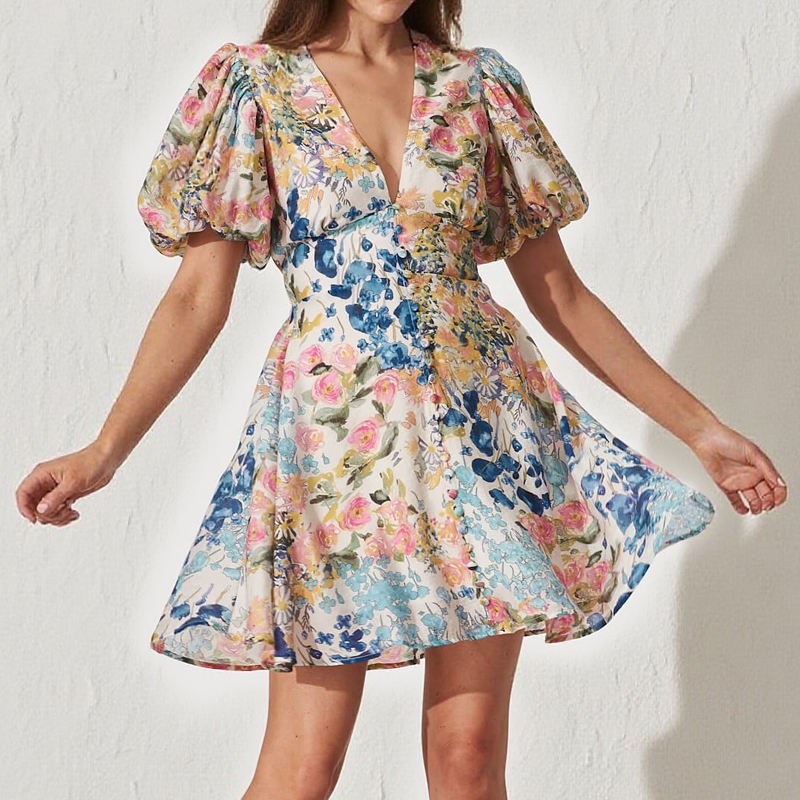
The base fabric is the first line of the spec sheet: it decides sampling, photography, returns and the second production lot.
What Buyers Actually Pay For
A customer buying a dress is not buying "cotton" or "linen". They are buying three things—and pure cotton and cotton-linen score differently on each:
The first impression
Drape, hand-feel and how it photographs flat and on body. Linen blends win on relaxed, premium-looking fluidity.
The wear experience
Breathability, whether it wrinkles in a suitcase, whether it survives the wash. Pure cotton is the safer everyday workhorse.
The re-order promise
That the dress loved in April is the same dress in September. This is where blends need the most discipline.
Cotton vs Cotton-Linen, Side by Side
| Property | Pure cotton | Cotton-linen blend |
|---|---|---|
| Hand-feel | Soft, smooth, familiar | Textured, cool, slightly crisp |
| Breathability | Good | Excellent—linen vents heat |
| Drape | Full, can look heavy | Relaxed, airy, fluid |
| Creasing | Moderate | Higher—part of the look |
| Care | Machine-wash friendly | Best with gentle, low-heat care |
| Dye & print | Even, predictable | Slightly heathered, organic feel |
| Re-order consistency | Easier to hold to standard | Needs lab dip + sealed reference |
| Best dress use | Everyday, structured, kids | Resort, vacation, relaxed |
| Relative cost | Lower per metre | Slightly higher per metre |
Both fibers have a long history in apparel—cotton for its familiar softness and linen for its cooling, textured hand. The table above is the same one we walk a buyer through before they lock a tech pack.
One Style, Two Sewing Recipes
Both fabrics cut and sew cleanly, but they behave differently on the line. The base cloth changes three things in production:
Needle and thread spec
Linen's slubbier weave needs a sharper needle and balanced tension to avoid skipped stitches.
Pre-shrink allowance
Cotton shrinks predictably; blends need a measured pre-wash so finished hems stay true.
Finishing
Garment wash, softener and press temperature are tuned per cloth, not per style.
On the line, concretely: for one cotton-linen resort order we ran a size 11 ballpoint needle at 2.4 stitches/mm with a pre-wash set to 2.8% shrinkage; the same silhouette in 100% cotton used a size 9 sharp needle with no pre-shrink step. Same dress, two recipes—which is why a one-size-fits-all factory is a real risk on blended cloth.
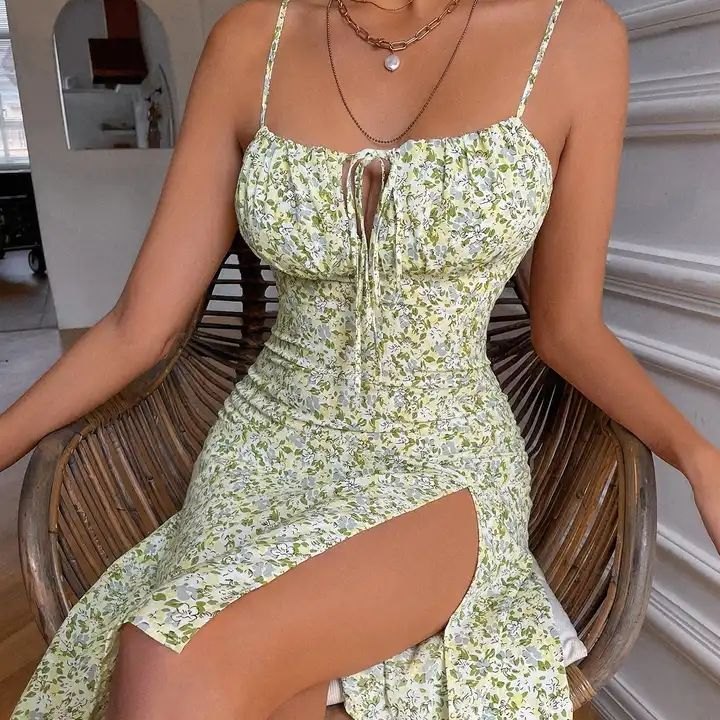
A capable supplier flags these in the first sample round. If a partner treats both fabrics identically, that is a red flag.
Holding Batch Consistency on Re-orders
Cotton-linen is two fibers with different dye uptake and shrinkage. That is what gives it character—and what makes lot-to-lot consistency harder. A pure-cotton program can hold colour with a single dye standard; a blend needs a lab dip approved per shade and a pre-wash locked before bulk.
We seal a reference sample and measure every incoming lot against it, so a resort re-order in July matches the launch run in March. Skipping this step is the single most common reason a "great first batch" turns into a returns problem on the second.
Dress Fabric GSM & Weave Guide
Numbers beat adjectives. As a rule of thumb for woven dress cloth:
| Use case | GSM | Weave | Why |
|---|---|---|---|
| Resort & vacation | 120–150 | Plain / light twill | Airy, packs well, reads premium |
| Everyday & boutique | 150–180 | Plain | Structure that survives washing |
| Mommy & Me / kids | 160–200 | Plain | Wash-stable, cross-size colour consistency |
| Curve & structured | 170–200 | Twill | Holds an A-line, supports larger sizes |
CHURELLE's working range is 80–220 GSM; cotton-linen blends sit at the lower end of each band (lighter, more fluid) while pure cotton can take the higher end (more body). Confirm the exact grammage before dye—it changes both hand-feel and cost. For structured curve styles, the pattern does the heavy lifting and the fiber sets the floor.
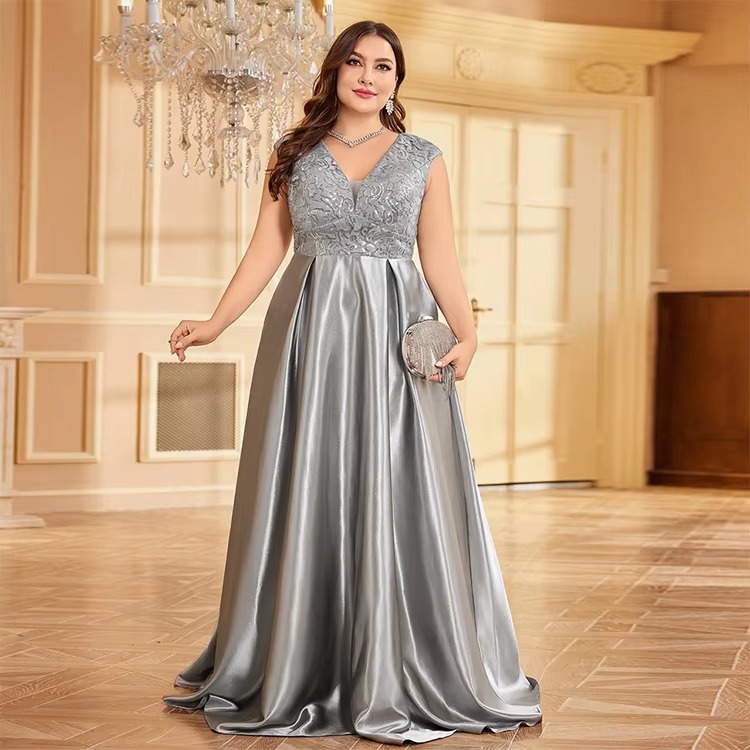
Heavier twills support an A-line and larger sizes; confirm GSM before dye, not after.
A Shrinkage Case from a First Linen Order
Market case · not a CHURELLE order
This one did not come off our floor. It is the pattern buyers describe after sourcing elsewhere: a first-time buyer ordered a run of linen-blend shirtdresses without an approved pre-wash spec. After the first home wash the hems drifted out of spec and a meaningful share of the order came back as "too big".
The fix was free on paper—a 3% shrinkage target plus an approved pre-wash, confirmed on a low-MOQ pilot—but it cost a full production cycle to learn. That is the whole point of this guide: confirm the cloth on a small run before the season depends on it.
Your Fabric Spec Checklist
Weight (GSM)
120–200 gsm by use case; confirm before dye.
Weave
Plain for crisp, twill for drape—match to the silhouette.
Shrinkage
Target under 3% after an approved pre-wash.
Colourfastness
Pass rub + wash tests before bulk.
Re-order plan
Seal a reference sample every shade is measured against.
Cotton-Linen Dress FAQ
Is cotton-linen more expensive than pure cotton?
Usually a little higher per metre, but it can lift perceived value enough to justify the gap—especially for resort and vacation lines where the relaxed drape reads as premium.
Can a low-MOQ manufacturer handle linen blends?
Yes. A flexible custom dress manufacturer runs blends at small minimums; from 50 pieces per style per colour, the practical limit is usually print colourways, not the fiber.
Which fabric is better for resort dresses?
Cotton-linen. The breathability and relaxed drape are exactly what travel and warm-weather wear call for.
How do you keep re-orders consistent?
We seal a reference PP sample per shade and measure every incoming lot against it, with an approved lab dip and pre-wash locked before bulk—the same discipline described in our atelier story.
Do you offer private label cotton-linen dresses?
We do, across resort, curve and family sets—with your label and your spec.
How do I specify fabric in a tech pack?
List fiber, GSM, weave, colour standard and allowed shrinkage. Those five fields are what a factory needs to return an accurate quote.
Bottom Line
Pure cotton is the safe, structured, washable workhorse; cotton-linen is the breathable, premium-feeling choice for resort and relaxed dressing. Brief your dress manufacturer with the right GSM, weave and shrinkage target, confirm it through a proper sample path, validate on a low-MOQ run, and the fabric choice stops being a guess—and your re-orders keep matching the first run.
Ready to source cotton-linen dresses?
Send a tech pack, a sketch or a reference sample. We return a broken-down quote with GSM, weave, shrinkage target and MOQ within 24 hours.
Request a Fabric Quote