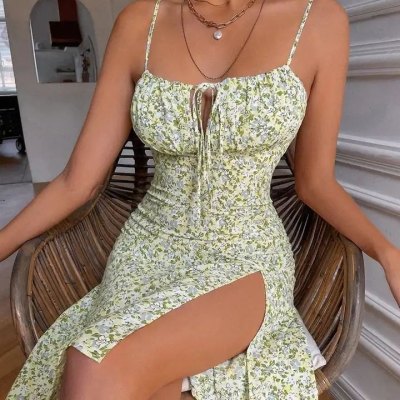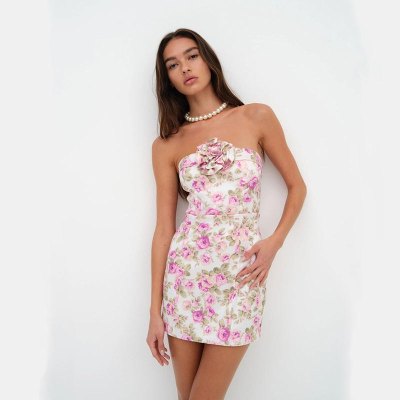
How to Plan Your First 50-Piece Dress Drop: MOQ, Inventory & OEM Tips
A 50-piece minimum works in style × colour units: 50 pcs per style per colour, so 3 styles = 150 pcs.
- Units: 50 pcs/style/colour; a colour change is a new minimum.
- Heroes: lock 2–3 styles, not 8.
- Size split: free XS–plus, planned by audience.
- Fabric: small dye lot first, scale on reorder.
- Terms: 30% deposit, 70% before shipment, no L/C; ~7 days sample; AQL 2.5.
Bottom line: treat it as a low-cost experiment—find the style to double down on.
A 50-Piece Minimum Is Fashion's Friendliest Number—If You Plan Around It
Small batch isn't simply "make less." The benefit of a 50-piece minimum isn't that it's small, but that it makes "the cost of being wrong only 50 pieces, not 500"—you can afford to be wrong for a season, not for a year.
But many turn "low minimum" into "scatter stock": launch 10 styles at once, gambling 50 pieces each. The result is fragmented inventory where no style sends a signal. The core of a first drop is to test the clearest direction with the fewest pieces.
50 Pieces Is "Per Style Per Colour," Not "Per Order"
This is the most misunderstood point: our MOQ is 50 pieces per style per colour, not 50 per order. That means switching colour on the same style is a new minimum threshold. So a first batch of 3 styles, 1 colour each, starts at 150 pieces (3 × 50); if you plan 2 colours for one style, that style alone is 100 pieces (2 × 50). One "order" can hold many "style × colour" units—don't be misled by the word "order."
The upside is clear too: you can split the first drop into "2–3 hero styles" instead of 8 mediocre ones; every style×colour unit hits minimum and gets a normal quote, while keeping total inventory controllable.
| First-batch plan | Style × colour units | Minimum pieces (units × 50) |
|---|---|---|
| 1 style, 1 colour | 1 × 50 | 50 |
| 3 styles, 1 colour each | 3 × 50 | 150 |
| 1 style, 2 colours | 2 × 50 | 100 |
| 2 styles, one of them in 2 colours | 4 × 50 | 200 |
Each colour is its own minimum threshold—plan your first drop around units, not around the word "order."
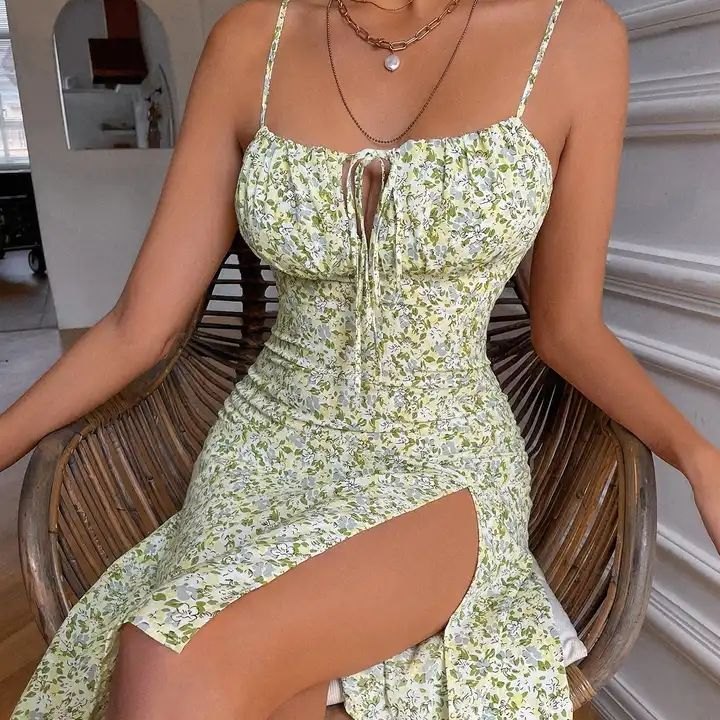
Go deep on one hero style rather than spreading thin across eight—you'll read the market signal clearer.
Why a Low MOQ Dress Factory Dares to Take 50 Pieces
Traditional big factories won't take 50 pieces because their lines are built for thousands: changeover, scheduling, and machine setup fixed costs can't be amortized. We run our own atelier plus in-house fabric sourcing; the line is built for small-to-mid batches, so 50 pieces still run the full process: development → first sample → PP sample → bulk → inspection.
In other words, low minimum isn't "cutting corners on a small order"—it's that the line structure suits small orders. You pay for 50 pieces and get the same QC as 500, not a watered-down version.
Lock 2–3 Hero Styles First, Don't Flood the Shelf
For the first batch, lock 2–3 hero styles: one main push you're most confident in, plus 1–2 complementary side roles. The reason is simple:
Inventory concentration
money and attention on a few styles; which one sells out is obvious at a glance.
Faster reorder
restock the sold-out style immediately, no guessing among 10 which to refill.
Visual unity
the launch page isn't scattered; brand image is clearer.
Size Split Is Free, but Plan It with Data
For a 50-piece style, we support free size split: from XS to plus, without being forced into one size. This step is free, but how to split takes method.
Newcomers make two mistakes: either "even split" (10 each, so mid sizes sell out instantly while ends sit in stock), or "only my own size." The right move is to read your audience—if followers are mostly S–M, tilt toward mid sizes; if you serve plus-size, raise the XL–XXL share. First order can be conservative, but reorder by real sales data.
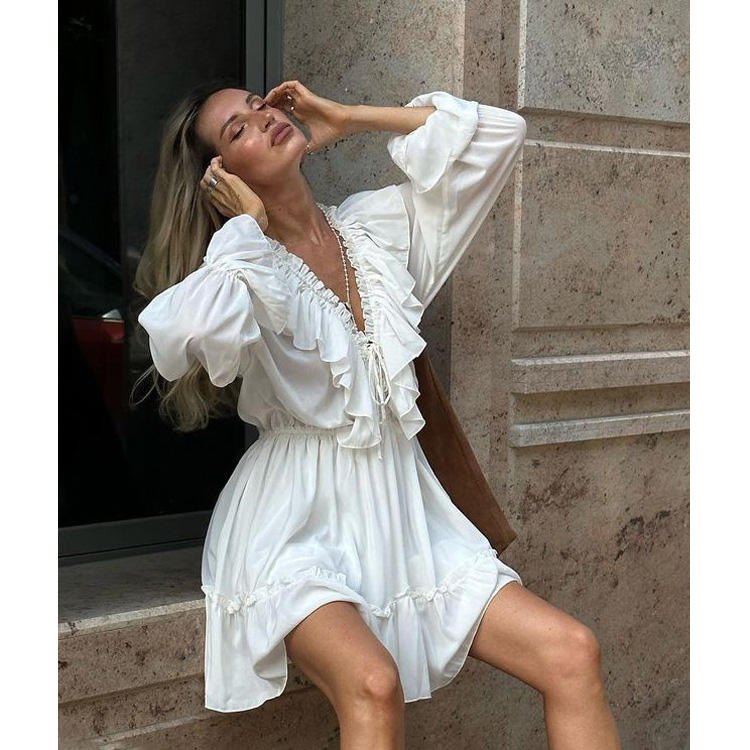
A white basic is the safest "signal" piece most likely to read in a first batch.
One Colourway One Production Batch, Don't Mix-Test
Treat "one colour or one custom print" as an independent batch to test. This echoes "50 per style per colour" above—each colour is itself an independent minimum threshold, so don't greedily open many colours. Why test separately? Because mixing colours in one batch, you can't tell "is the style bad or is this colour bad."
For the first batch, launch 1 main colour per style (max 2); open a second colour only after sell-out. The reorder decision stays dead simple: this colour sells out → reorder; sits still → change colour, keep style. Break the variable down to the minimum so the test stays clean.
Small Dye Lot First, Scale Up on Reorder
Don't lock all fabric upfront in the first batch. Start with a small dye lot / small-batch material, validate the pattern and sales, then scale up on reorder. Two benefits:
Low cash tie-up
fabric is one of the biggest cost items in a dress; small lot first, no strangling working capital.
High fault tolerance
if the pattern needs changes, un-bought fabric won't become dead stock.
On our side, we return a broken-down quote within 24 hours after a complete BOM; the first-batch fabric plan can adjust while testing, no need to gamble it all at once.
Deposit and Inspection Logic for a Dress OEM First Order
The cooperation terms for small orders are the same as bulk. A few key points upfront to avoid later disputes:
Deposit
30% to start production, 70% before shipment—paid by T/T, Payoneer, PayPal or X-Transfer (we do not work on L/C). The balance is released against the B/L or after inspection, and small orders follow the same flow as bulk.
Inspection
after bulk completion, inspect by AQL general sampling (AQL 2.5 level), mainly checking sewing, measurements and defects.
Lead time
first sample about 7 days after spec confirmation, PP sample 2–3 weeks; bulk is scheduled after PP confirmation, with the cycle quoted per style complexity.
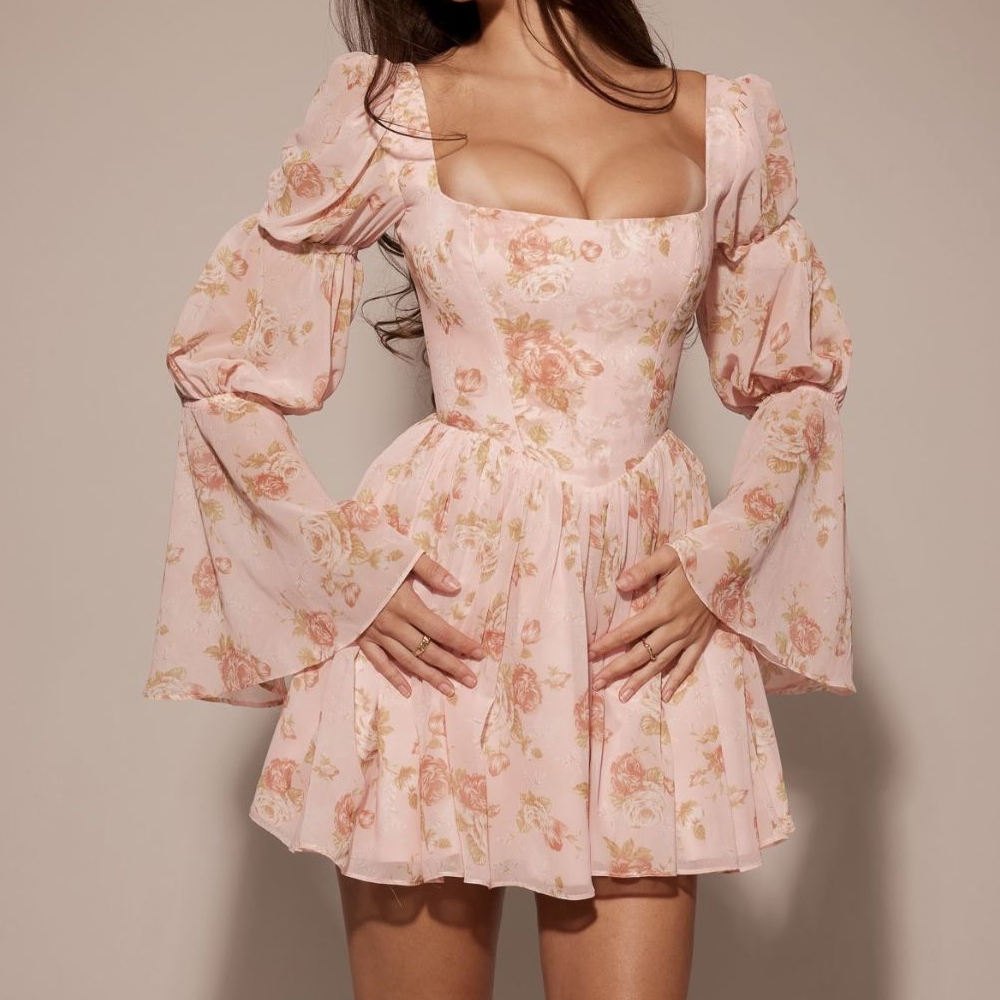
Details like square neck and puff sleeve must be locked in the first order, or reorders "change flavour."
A Real Case: How to Reorder After Selling Out 50 Pieces
The following case is not a CHURELLE order—it's a common healthy small-order path in the industry, used as a positive reference:
An independent site seller did only 2 styles in the first batch, 50 each, sizes tilted to S–M. Within 6 weeks the hero sold out; the side style moved slowly. She didn't blindly restock; instead she reordered the hero and opened one untested colour, while the side style waited for next season. Result: the second batch's sell-through clearly beat the first—because she used the first 100 pieces to find out "what to double down on."
This is the correct use of a 50-piece minimum: it's not the endpoint, it's a low-cost targeted experiment.
First-Order Checklist: Tick Before Shipping
Run this list before you confirm the first bulk order—each line maps to a decision that is expensive to reverse later:
50-Piece First-Order FAQ
Really minimum 50? Can 30 work?
Our standard MOQ is 50 pieces per style per colour. Below that, changeover scheduling cost can't amortize and the per-piece price actually rises. If you only want to validate, use the sampling flow—no bulk needed.
Can 50 pieces mix several sizes?
Yes, and free. A 50-piece style can run XS to plus; just tell us how many of each size.
Does a reorder need new sampling?
Same style, same fabric reorder usually needs no new PP sample—go straight to bulk, shorter lead. That's why nailing construction in the first order matters: reorders stay stable.
Do you have third-party certification?
We hold no third-party certificates such as OEKO-TEX. We self-test key metrics per batch against method standards, and provide swatch test records to partner clients for verification; when a certificate is needed, we recommend requesting the number from the fabric mill and checking it yourself.
Want to test your first bestseller with 50 pieces?
Send 2–3 intended styles plus your audience size distribution; we return a broken-down quote within 24 hours.
Get a 50-Piece Minimum Quote