Smocking, Embroidery and French Seams: Which Craft Details Earn a Higher Price Point
Two dresses cut from the same pattern and the same fabric can sit at very different prices on a boutique rail. What separates them is usually not the fabric but the finishing — and finishing is where budgets quietly disappear.
French seams: invisible on the rail, obvious in the hand
A French seam encloses the raw edge inside the garment, so the inside is as clean as the outside. On a cotton or linen dress it also stops fraying, which matters for a garment that will be washed repeatedly.
It is the least expensive of the three details and the one with the highest perceived-value return, because buyers and their customers turn the garment inside out. A clean interior is the quickest signal that a dress was not made at the lowest possible cost.
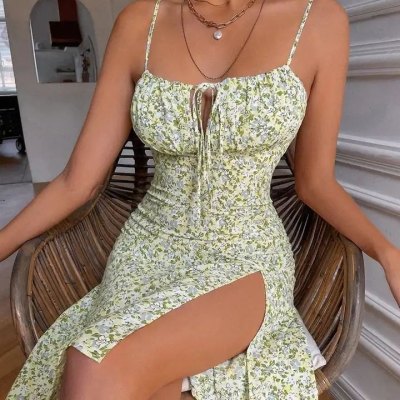
Smocking and shirring: fit plus detail
Smocking gives a panel of fabric controlled elasticity, which means the bust and waist can accommodate a range of measurements without multiple pattern variants. For an independent label holding 50 pieces per style in stock, that flexibility is worth real money.
The execution detail is gather density. Set it evenly and the panel recovers its shape after wear; set it unevenly and the garment looks tired after two washes. Density is checked when the sample is approved.
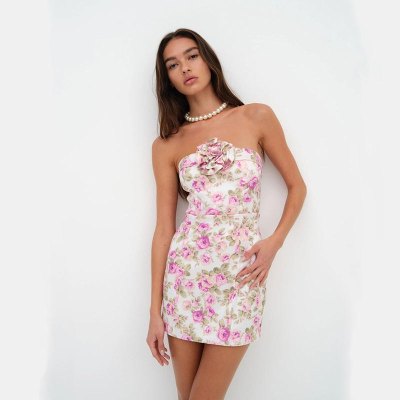
Embroidery: the detail that photographs
Embroidery is what carries a boutique collection in imagery. It also brings the longest list of dependencies: stitch count, thread colour matching, backing, and placement relative to the seam allowance.
It behaves differently on a textured cotton-linen ground than on a smooth cotton one, so placement and density are always verified on the actual fabric at sample stage rather than approved on a digital mock-up.
How craft content affects the schedule
Every craft stage is planned into the production schedule, which is why lead time is quoted per order rather than published as a single figure. A plain dress and an embroidered one from the same fabric do not move through the atelier at the same speed.
The practical approach is to concentrate craft on one statement piece and let the supporting styles stay clean. That gives the collection its photographable hero without multiplying the slowest stages across the whole range.
Key takeaways
- Craft needs a heroOne detailed piece lifts the whole collection; five detailed pieces lift the lead time instead.
- Interiors are readFrench seam finishing is the cheapest credibility signal available.
- Approve on real fabricEmbroidery and smocking behave differently on every ground.